Real Bills Doctrine
Self-liquidating credit — the forgotten pillar of sound finance that Fekete rehabilitated.
Antal Fekete
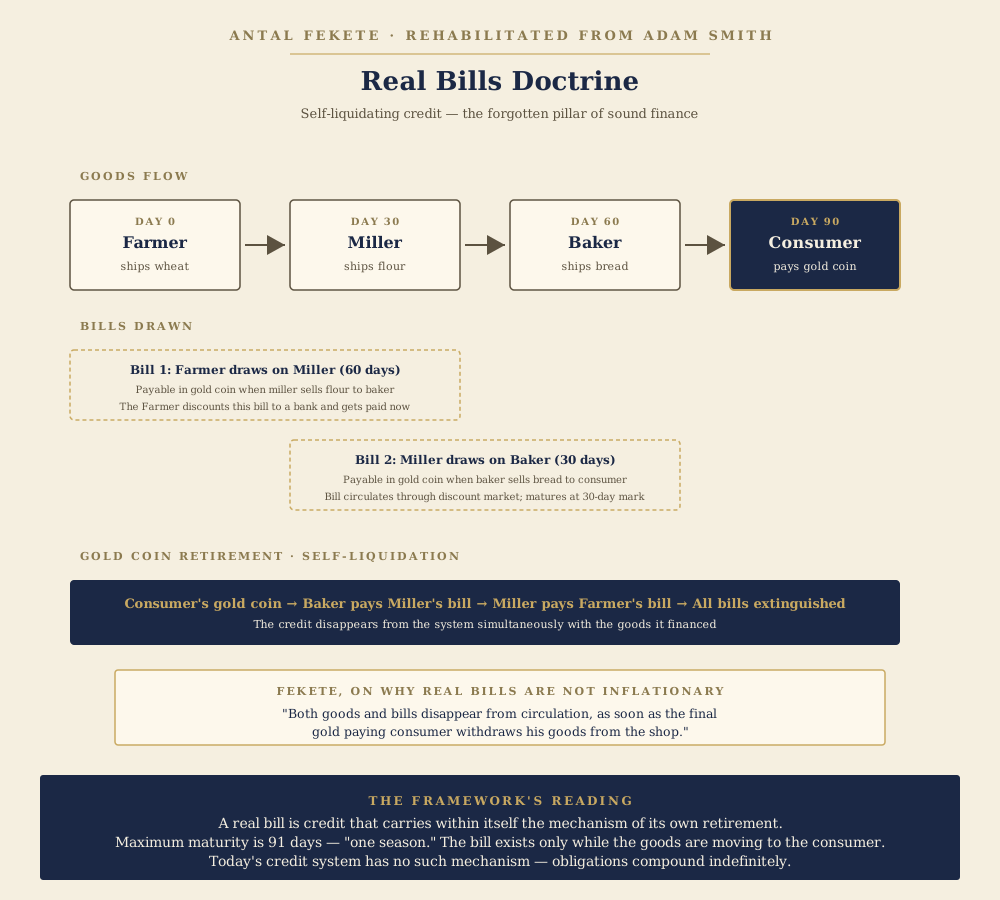
A real bill is a short-term (91-day) credit instrument backed by goods already in transit to the consumer. It is “self-liquidating” — the goods sell, the bill is paid, and the credit extinguishes itself. No residual debt remains.
Why Fekete Revived It
The Real Bills Doctrine was one of the most contentious topics in monetary theory. Mises rejected it; Fekete rehabilitated it, arguing that real bills are not inflationary because they represent goods that already exist and are moving to market. They expand the supply of credit exactly in proportion to the supply of goods.
The Modern Significance
Today's credit system is the opposite of real bills: debt is created with no self-liquidating mechanism. Mortgages, government bonds, and derivatives create obligations that compound indefinitely. Understanding real bills illuminates what a functioning credit system would look like.